The application desktop integrator was created to solve the problems you will face if you ever had five browser windows, a spreadsheet, and an old legacy database all open in order to do one thing.
Frequently switching between disconnected tools is time-consuming and makes typos, lack of updates and duplication more likely. In this article, you’ll learn what it is, how the technology works, and what to consider when implementing one into your team.
What is an Applications Desktop Integrator?
An applications desktop integrator is the central piece of software that links various software applications, Web apps, desktop applications and legacy applications to create a unified workspace. It enables data and actions to be shared automatically between applications, rather than having to be manually copied from one to the other.
It’s like a common dashboard that combines your email, calendar and documents in a single screen. A desktop integrator takes it one step further, though, by not only showing information from various sources side by side, but actively ensuring they are kept in sync so an update to one source will appear in every other.
How It Works

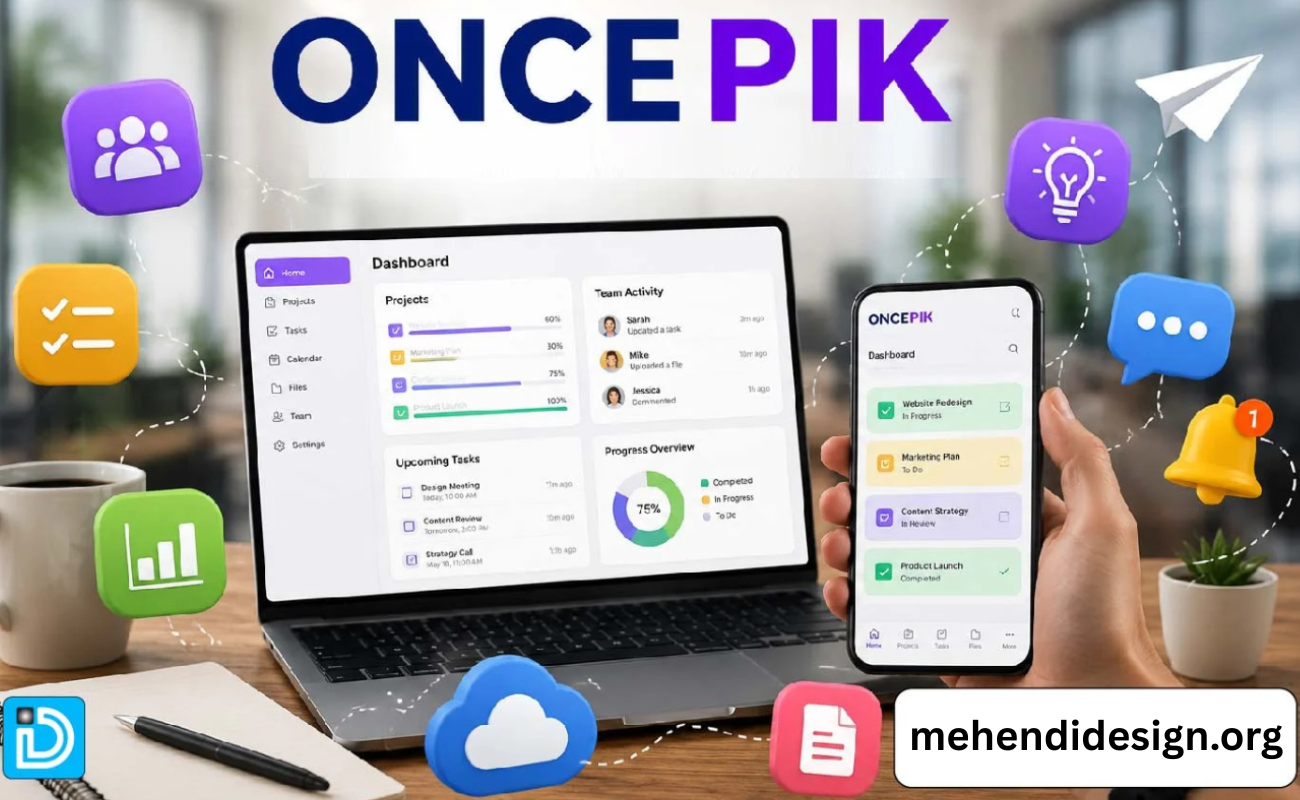
Most desktop integrators work as an interface or messaging layer between the desktop applications and the applications that you’re trying to integrate. For example, when a user opens a customer record, updates a field, or submits a form, the integrator “listens” to these actions and it passes that same context to other applications connected to it in real time.
This has an advantage in practice because it doesn’t need to create and maintain a built-in, hardcoded relationship between each of the two systems. That was the way it was done in the past and was fragile, in that if one software was updated on either end, the link would break.
Modern integrators are more like a translator than a wire soldered into the app and therefore do not seem to be so affected by updates to individual apps over time.
Read Also: BGMI Name Ideas 2026: Stylish, Unique & Trending Nicknames for Players
Key Benefits
The following are a few obvious reasons for businesses to use this type of software:
- Less manual app-switching. Three logins and less time spent searching for the same information by employees.
- Fewer data-entry errors. There’s less risk of someone entering the wrong number into the wrong system when updates are automatic.
- Legacy systems continue to be valuable. Where replacement of old platforms is not easily possible, they can be integrated into modern workflows rather than being ripped out.
- Better visibility. Data is bundled, and management and teams have a more up-to-date, transparent view of what is going on.
- Lower training burden. New hires have to learn just one interface and no more, as opposed to several independent systems.
Real-World Examples and Use-Cases
This is no theoretical classification. This is the Oracle version, which is targeted at the enterprise but integrates spreadsheet-like data entry directly into Oracle’s back end systems, through Web ADI.
More generally, the move towards “superapp”-style desktop tools, including those apparently being developed by firms such as OpenAI, indicates that bringing disparate software into one place is an increasing priority for the entire industry, especially for enterprise businesses.
Things to Consider Before Adopting One
There are a few practical issues to consider before implementing an applications desktop integrator:
- Compatibility: Will it work with your legacy applications or just cloud applications?
- Security: How will the integrator have access to data in multiple systems, and how will that access be controlled and audited?
- Learning curve: If you’re going to design a single interface, expect a period of getting used to it.
- Vendor lock-in: How easy or challenging will it be to change integrators later?
These are not excuses not to use the technology but are factors to be considered when assessing the technology instead of after deployment.
Final Word
The larger picture here is simple: Companies are fed up with their disjointed software environments and an applications desktop integrator is a viable solution to merge web, desktop and legacy applications without having to build something from scratch. It’s good to wonder if this kind of unified layer can help to reduce the friction of switching between applications on a daily basis, whether you’re running a lean team or handling a large enterprise IT environment. When your team is drowning in tabs and logins, it might be time to speak with IT about whether an applications desktop integrator is a part of your workflow.
FAQs
1.What is an applications desktop integrator?
To integrate multiple software tools, web, desktop and legacy applications together into a single workspace, without forcing the users to switch between them manually.
2.How is a desktop integrator different from a regular API integration?
Usually resides in the interface/messaging layer, and does not need to be implemented by developers between two systems.
3.Could an applications desktop integrator be just for the big guys?
No, although enterprises are using it in legacy environments, there are also lighter versions available for use by smaller teams to minimise app-switching friction.
4.What are some uses of desktop integrator tool?
Examples of enterprise products include Oracle’s Web ADI and other “superapp” desktop widgets are beginning to appear in this space.
5.Do I need to know how to code to be an applications desktop integrator?
No, most are for non-technical users, unless set up or configured requires IT involvement.
Read More: UDID Card: Full Guide, Eligibility, Documents & Application Process